Published
7 minute read

GLP-1 Peptide medications have changed the way many people approach weight loss. For patients who respond well, the physical changes can be life-changing: clothes fit better, movement feels easier, and your health markers may improve. But once the weight comes off, loose skin and changes in body shape can become much more noticeable.
That is where plastic surgery may become a viable option.
At Delatte Plastic Surgery, Skin Care, and Wellness in Lafayette, LA, we see patients who have reached or are approaching their goal weight after GLP-1 treatment and want to address the skin and tissue that did not contract with the rest of the body. The right procedure depends on where the laxity is, how much tissue is involved, and whether your weight has stabilized.
Skin has some ability to contract after weight loss, but that ability is limited. Age, genetics, the amount of weight lost, how long the skin was stretched, pregnancy history, and overall skin quality all play a part.
With significant weight loss, the skin may not fully conform to a smaller body size. Areas such as the abdomen, upper arms, thighs, breasts, buttocks, and lower back can be left with hanging or folded skin. Some patients also notice loss of breast volume or changes in facial fullness.
Exercise can strengthen the muscles underneath, but it cannot remove excess skin. Non-surgical skin tightening may help mild laxity in selected patients, but larger amounts of loose tissue generally require surgical removal if correction is the goal.
Body contouring is usually considered after your weight has stabilized. If you are still actively losing large amounts of weight, surgery is generally premature because additional weight loss can create more laxity and change the surgical result.
Your overall health and nutrition also play a significant role in your candidacy, as significant weight loss can sometimes be accompanied by loss of lean muscle or nutritional deficiencies. Protein, vitamins, minerals, and adequate calorie intake all support wound healing. Before surgery, Dr. Delatte will review your medical history, current weight, medications, nutrition, and the procedures you are considering.
If you are taking medications or peptides as part of a medical weight-loss program, be sure to inform both your surgical and anesthesia teams. Certain medications, including GLP-1 receptor agonists, can delay stomach emptying and may affect anesthesia planning. Your surgical team will provide individualized instructions based on your medications, symptoms, and planned procedure.
The abdomen is one of the most common areas patients want to address after major weight loss.
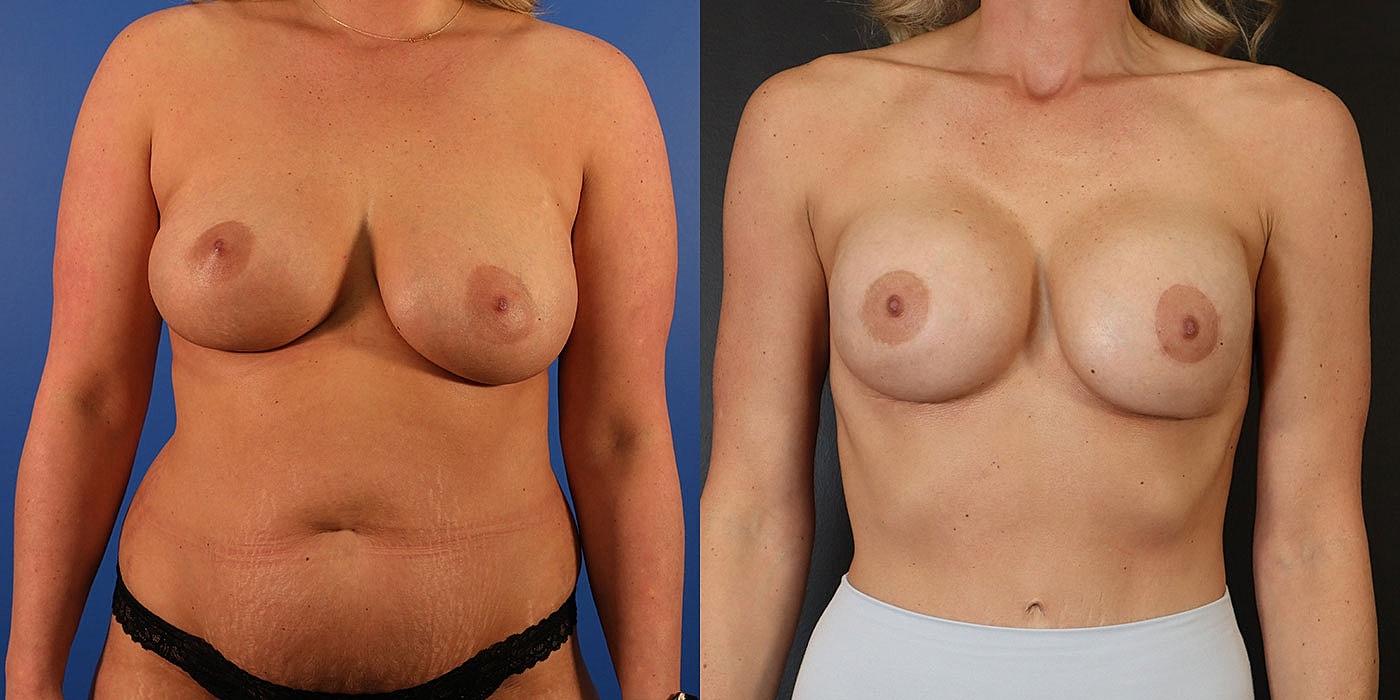
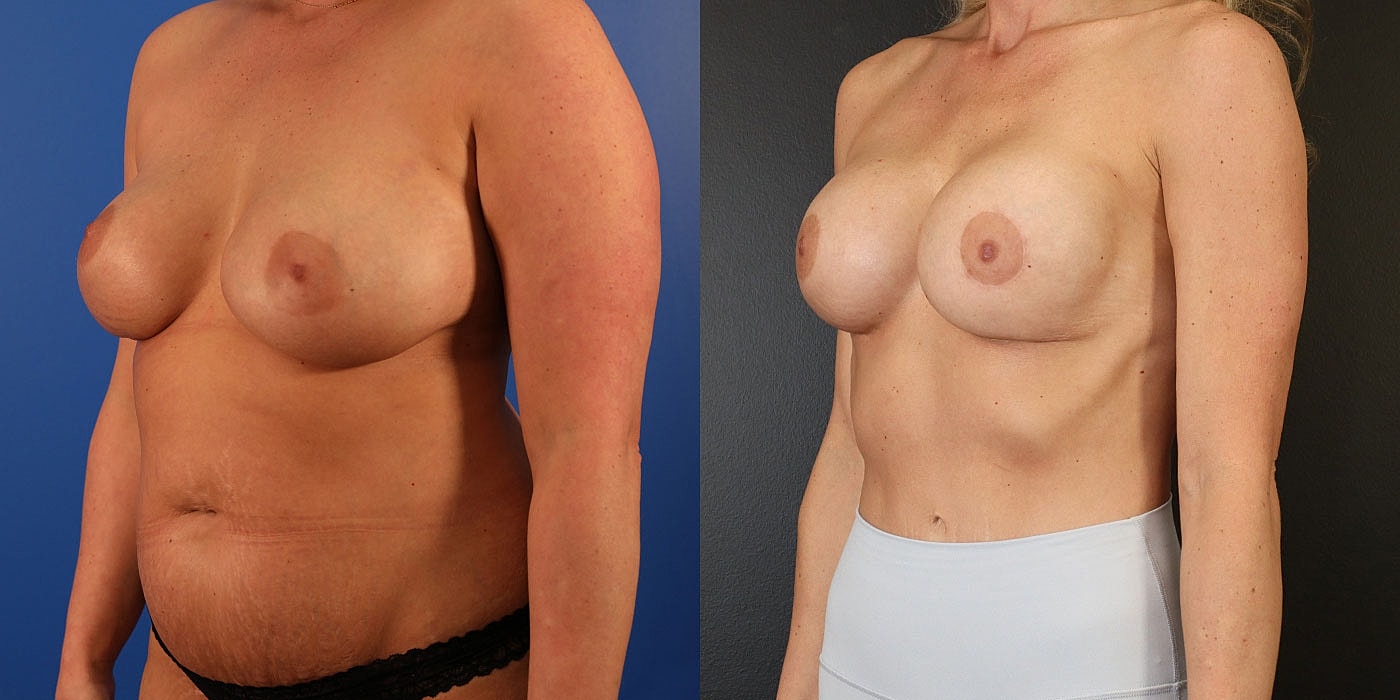
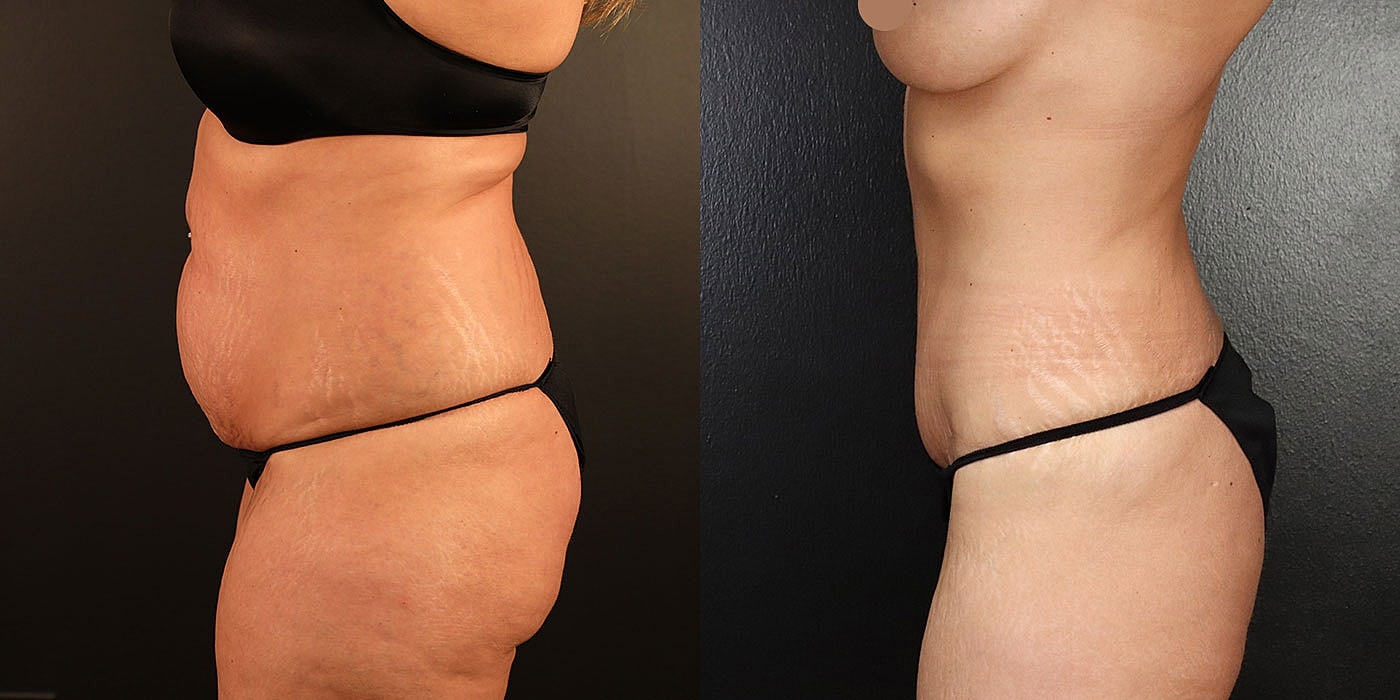
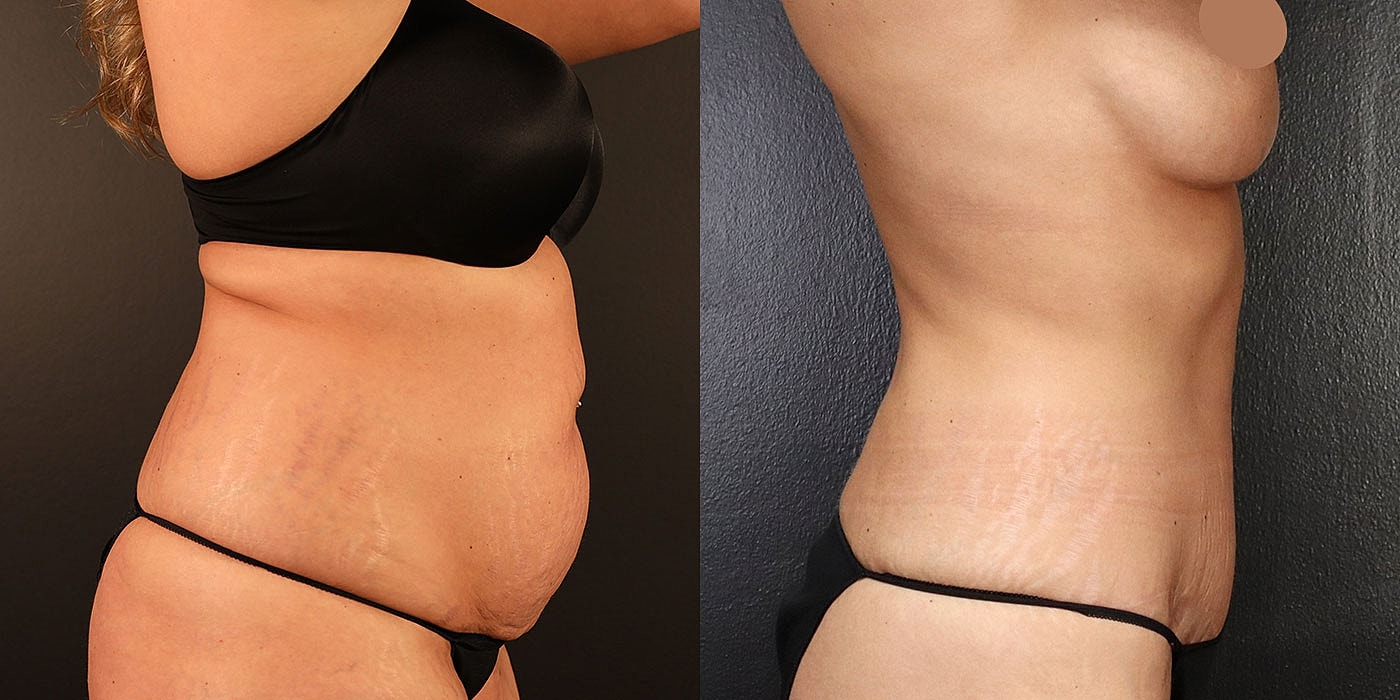
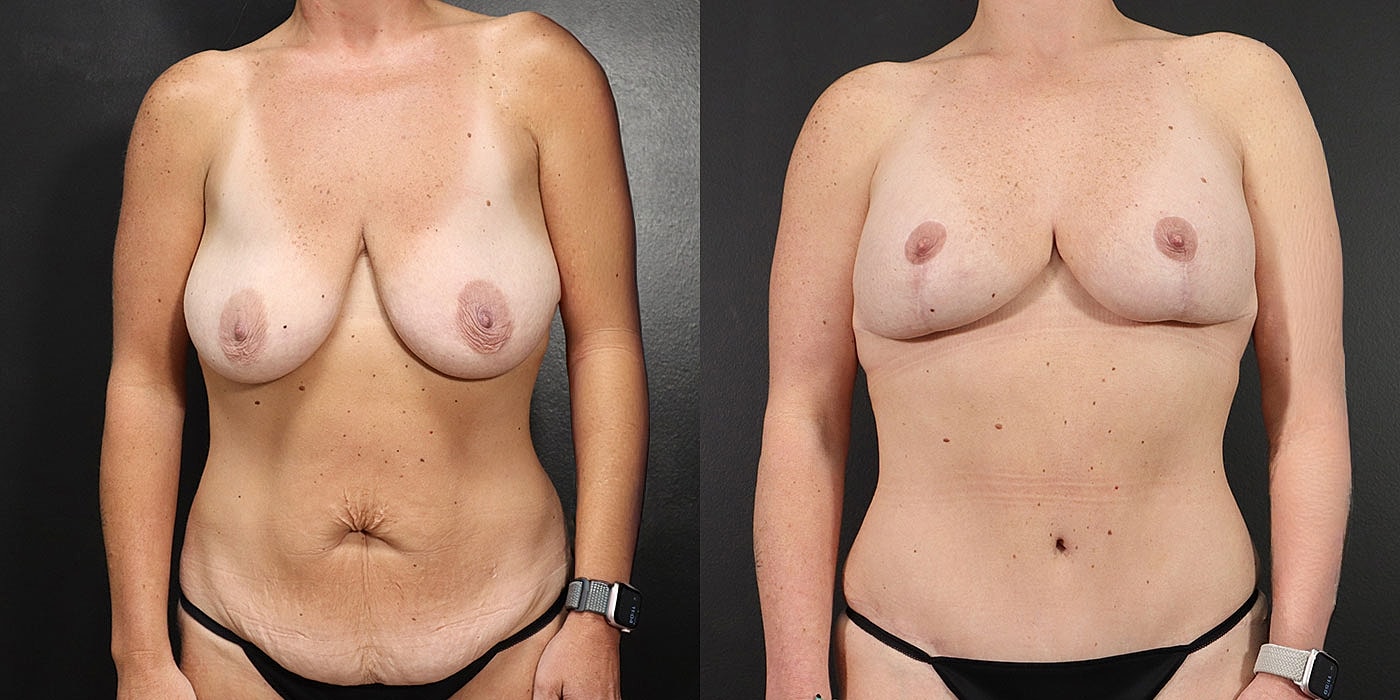
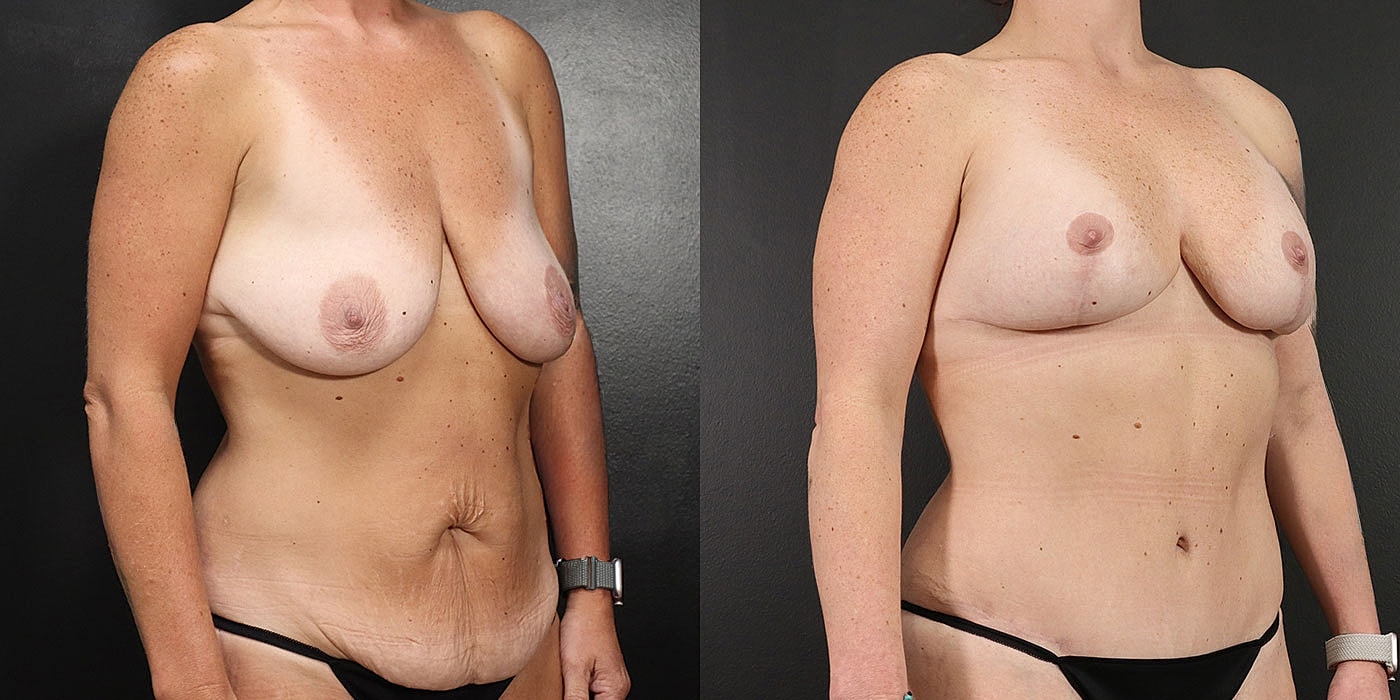
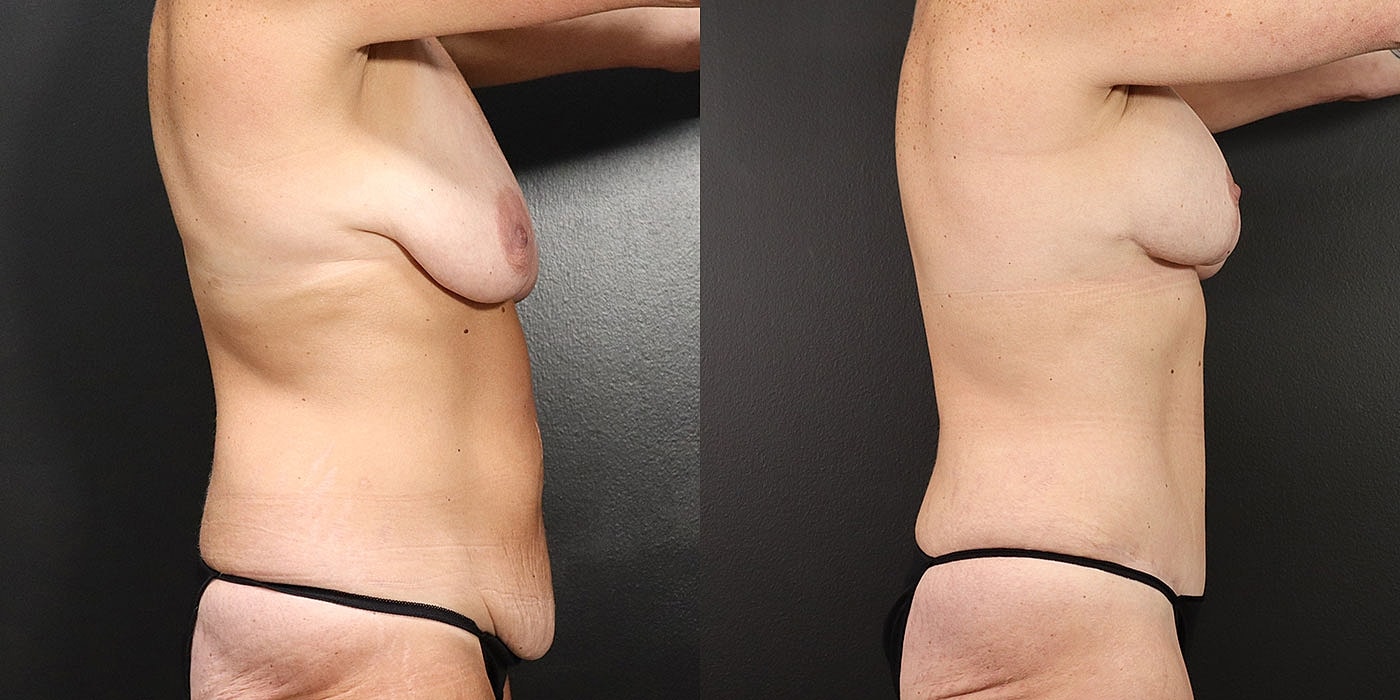
A tummy tuck, or abdominoplasty, removes excess abdominal skin and can repair separated or weakened abdominal muscles when needed. This can improve an overhanging lower abdomen, loose skin around the waist, and a midsection that still feels lax despite reaching a healthier weight.
Liposuction may be added in selected cases to refine remaining fat deposits, but liposuction alone does not correct significant loose skin.
When loose skin extends beyond the abdomen and continues around the lower back, buttocks, or outer thighs, a body lift may provide a more complete correction.
A body lift removes excess skin and improves the contour of several connected areas of the lower body. Because the procedure is more extensive than a tummy tuck, surgical planning and recovery are also more involved. Some patients may benefit from performing body contouring procedures in stages rather than addressing every area at once.
Dr. Delatte will determine the best approach based on the amount of skin to be removed, your health, and the safest way to accomplish your goals.
Loose upper-arm skin is common after significant weight loss. An arm lift, or brachioplasty, removes excess skin between the underarm and elbow and reshapes the upper arm.
A thigh lift addresses lax skin along the thighs. The incision pattern depends on where the excess tissue is located and how much correction is needed.
These procedures are particularly useful when loose skin causes rubbing, irritation, difficulty with clothing, or a contour that does not reflect the amount of weight you have lost.
Weight loss can reduce breast volume and stretch the surrounding skin. The breasts may appear flatter, sit lower on the chest, or develop more noticeable asymmetry.
A breast lift removes excess skin and reshapes the existing breast tissue to improve position and firmness. For patients who have also lost significant upper-breast volume, Dr. Delatte may discuss whether an implant or another approach to volume restoration should be considered along with the lift.
The best option depends on how much breast tissue remains and the shape you want to achieve.
There is no standard post-GLP-1 surgery plan.
Some patients have one main concern, such as excess abdominal skin, and need a single procedure. Others have laxity across several areas and may benefit from combining procedures or creating a staged surgical plan.
Combining operations can reduce the number of separate recovery periods, but there are limits to how much surgery should be performed safely at one time. Dr. Delatte will consider procedure length, blood loss, mobility during recovery, your medical history, and the extent of correction before recommending a plan.
Facial volume can decrease with overall weight loss, particularly through the cheeks and temples. Some patients notice deeper folds or a more tired appearance afterward.
Treatment depends on what changed. Dermal fillers or Sculptra may be appropriate when the main issue is volume loss. Skin quality and laxity may call for a different approach. An in-person evaluation is important because simply adding volume is not always the right answer.
Post-weight-loss plastic surgery is designed to remove excess skin, reshape tissue, and improve proportion. It is not a substitute for continued weight management.
Maintaining a stable weight is one of the most important things you can do for long-term results. Significant weight loss after surgery can create new laxity, while substantial weight gain can stretch the remaining skin and alter your contour.
This is one reason why Delatte Plastic Surgery, Skin Care, and Wellness takes an integrated approach. Our practice offers medically supervised weight management alongside surgical care, so patients can address both weight-related health goals and the physical changes that may remain afterward.
Losing a significant amount of weight is a major physical change. Surgery after weight loss should be planned just as carefully.
Dr. Stephen J. Delatte is a board-certified plastic and reconstructive surgeon with more than 20 years of experience. During your consultation, he will evaluate the areas that concern you, the quality of your skin and tissue, your weight stability, medical history, and recovery needs. From there, he can explain which procedures make sense, which ones can safely be combined, and when staging surgery would be the better option.
If you have reached a stable weight after GLP-1 treatment and are ready to address loose skin or changes in body contour, schedule a consultation with Delatte Plastic Surgery, Skin Care, and Wellness in Lafayette, LA. We can help you understand your options and build a surgical plan around your body, health, and goals.